With Humanity First UK, restoring an existing water well costs £750 and building a brand new borehole costs £2,000. Larger solar-powered schemes range from £3,000 to £5,000, and a donation of any amount goes to our water fund. A new well serves 500 to 1,000 people and is built to keep flowing for a decade or more.
Donating a water well is one of the most cost-effective ways to change lives, because a single well serves a whole community for years, and worldwide 2.2 billion people still lacked safely managed drinking water in 2022 (WHO and UNICEF). Every new well we build is a deep borehole, drilled far below the surface to reach clean groundwater and built to last. This guide sets out what a water well costs with Humanity First UK, what each price covers, and why costs differ from one project to the next.
The short answer
With Humanity First UK there are three options for funding a whole well, plus the water fund for any amount:
- Restore an existing well: £750. The fastest, lowest-cost route to flowing water.
- Build a new well: £2,000. A complete new borehole, surveyed, drilled and handed over.
- Custom or solar-powered wells: £3,000 to £5,000. High-yield boreholes for larger communities.
- Any amount. A donation to our water fund, which we direct where the need is greatest.
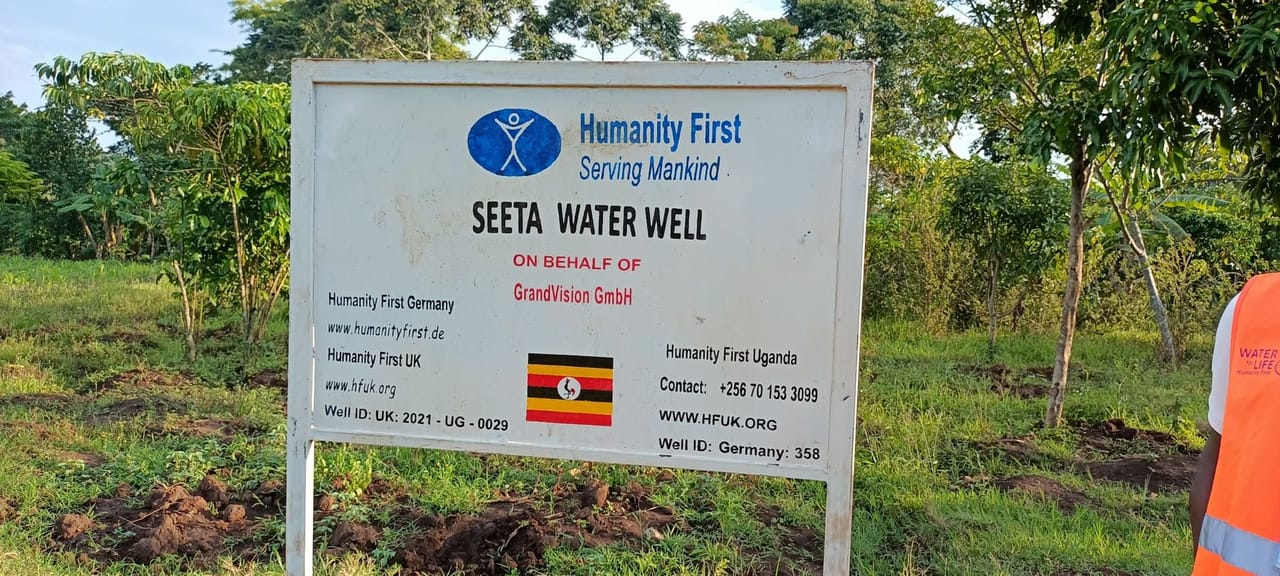
Fund a whole well (restore, new or custom) and you receive a permanent named plaque at the site and a full completion report. A donation of any amount goes to the water fund instead, so it supports clean water where it is needed most, from new wells to delivering emergency water, without being tied to one well.
What each option covers
Restore an existing well, £750
Across Africa and Asia thousands of boreholes have fallen into disrepair. Restoration replaces worn pumps and casing and brings a dead well back to life, which is usually the quickest way from donation to clean water.
Build a new borehole, £2,000
This funds a complete new deep borehole: the hydrogeological survey, drilling to between 50 and 110 metres, high-grade casing, the pump, installation and handover to the community. Reaching a deep aquifer is what keeps the groundwater clean year-round, and each well serves 500 to 1,000 people a day.
Custom and solar-powered wells, £3,000 to £5,000
Some communities need more capacity than a single well. Solar-powered, high-yield boreholes with larger storage, or schemes that water community gardens alongside drinking supplies, sit in this range. Our Water for Life team will scope a custom project with you.
A donation of any amount
If a full well is beyond your budget, any donation to our water fund still counts. We direct the fund where the need is greatest, from building and restoring wells to delivering emergency water, such as trucking clean water to families in a crisis. A donation of this kind is not tied to a single well, so it does not come with an individual plaque or completion report.
What your £2,000 actually covers
A new borehole is a full engineering project. The £2,000 covers every stage:
- a hydrogeological survey to find a reliable aquifer
- professional rotary drilling to between 50 and 110 metres
- high-grade PVC or galvanised steel casing
- the pump and headworks
- installation, testing and handover to the community
- a permanent plaque carrying your chosen inscription
- ongoing monitoring, so faults are picked up and put right
Fund a new deep borehole for £2,000 or restore a well for £750, each with a named plaque and a full completion report.
Why do water well costs vary?
No two sites are the same. The main factors are the depth to clean groundwater, the local geology, how remote the site is and the cost of getting a rig there, and whether the community needs a simple restoration or a solar-powered system with storage. A restoration in an accessible village costs far less than a solar-powered system for a large, remote community.
Where your donation goes
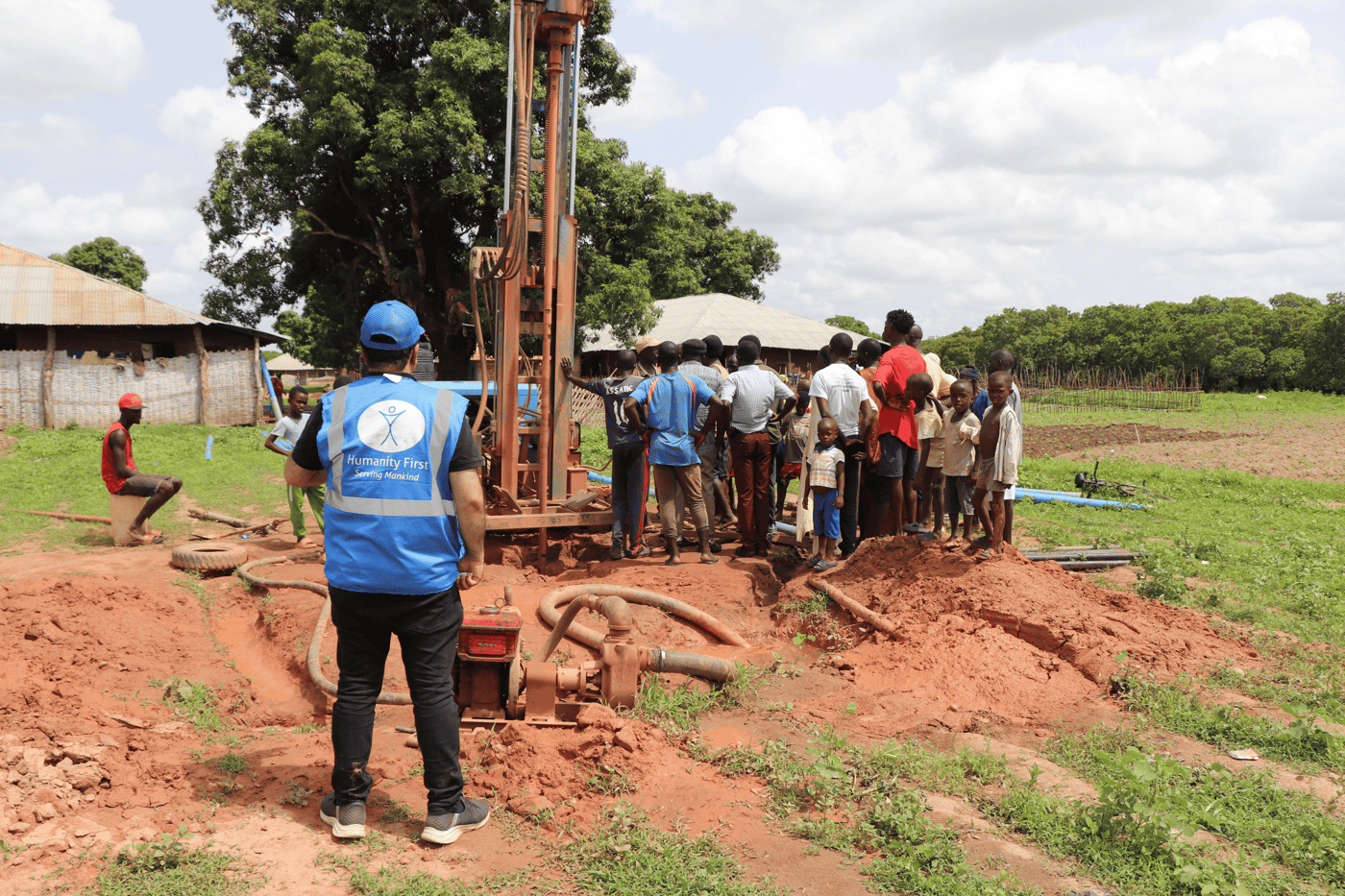
Every pound is tied to a specific well. You receive a completion report with photographs, the exact GPS coordinates of the pump and the number of people served, so you can see your money reached a real borehole rather than a general pot. For the full journey from survey to flowing water, see our guide to how to donate a water well.
Gift Aid: 25% more, at no cost to you
If you are a UK taxpayer, ticking the Gift Aid box adds 25% to your donation. A £2,000 well becomes £2,500 of funding towards clean water, with a single tick and nothing extra to pay.
Frequently asked questions
How much does it cost to build a water well? A brand new borehole costs £2,000 with Humanity First UK, covering the survey, drilling, casing, pump, installation and handover. Restoring an existing well costs £750.
Why does a new well cost more than restoring one? A new borehole includes the full survey and drilling to reach clean groundwater, often 50 to 110 metres down. A restoration reuses the existing borehole and replaces the worn parts, so it costs less and is quicker to complete.
Are Humanity First’s water wells deep boreholes? Yes. Every new well we build is a deep borehole, drilled to between 50 and 110 metres to reach a clean aquifer protected from surface contamination. Deep drilling is included in the standard £2,000 well, not a premium extra, and it is why the water stays safe year-round and the well lasts for a decade or more.
Can I donate a smaller amount towards a well? Yes. A donation of any amount goes to our water fund, which supports clean water where it is needed most, from building wells to delivering emergency water. Smaller donations are not tied to one well, so they do not include an individual plaque or report.
What does the price include? Every option includes the build, handover to the community, a permanent named plaque, and a completion report with photographs and the GPS coordinates of the pump.
Can I donate a water well in memory of someone? Yes. The name you choose is set into the plaque at the site. See our guide to donating a water well in memory of a loved one.
Restore a well for £750 or build a new deep borehole for £2,000 on our Water for Life page, with a named plaque and completion report.
Last updated: 9 September 2026